MOTHER LODE TRAILS
  • Home
  • About
  • Contact
  • Volunteer
  • Links
    • Law Enforcement Emergency
    • Federal, State, County Districts Parks & Trails
    • Running Clubs
    • Equestrian Clubs
    • Mt. Bike Clubs
    • Hiking Clubs
    • Trail Advocacy Organizations
    • Phone Numbers State & Federal Parks, Trails & Lands
    • Where to Eat on the Trails
  • News
  • Alerts

California State Parks switching to new reservation system on Aug. 1 - offline July 27 to 30, 2017

7/27/2017

 
Picture
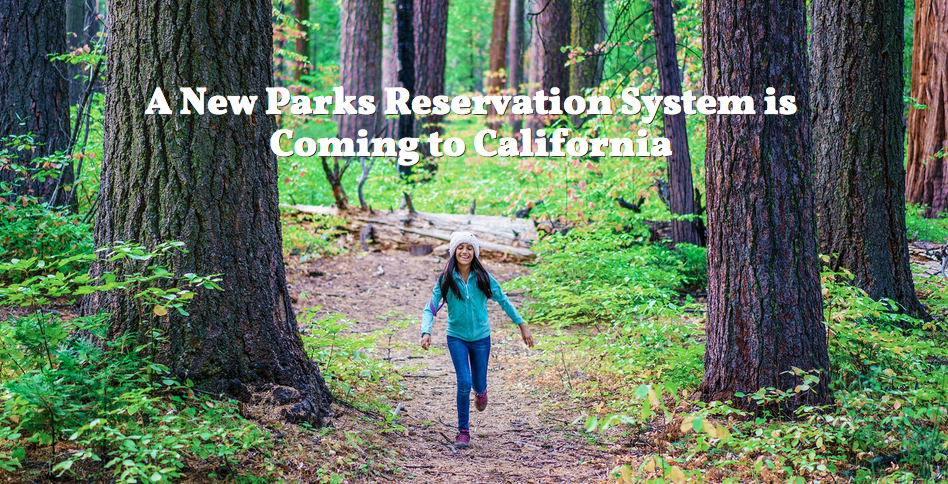
To California campers who utilize California State Parks will need to use a different reservation system starting in August. 
As part of the transition to the new system, website and telephone reservations for California's state parks will be temporarily offline from July 27 to July 31. During this time, all existing reservations will be honored. Hearst Castle™ will continue to have access to same-day ticket reservations. Thanks for your patience.
California State Parks will now offer camping and lodging reservations via ReserveCalifornia, a site that launches on Aug. 1, instead of ReserveAmerica, its former vendor. According to the ReserveCalifornia FAQ, the system will work like other sites that offer hotel or airfare bookings.
From ReserveCalifornia:
The new reservation system will move from a block or on-sale day reservation period to a rolling window. The public will be able to reserve the highly sought-after campsites and lodging six months in advance from the current date. Camping and lodging inventory will become available each day for a period of six months in advance. Bookings may extend from the arrival date to the desired departure date – based on availability and the park's maximum stay rules.
The service encompasses 110 state parks currently, and will expand to include 41 more by the end of 2018.
Customers with ReserveAmerica profiles will need to create new accounts through ReserveCalifornia, but if you have a prior reservation made for any date through Feb. 2018, it will be automatically migrated to the new system. 
To find out more about the new system, visit the ReserveCalifornia website here.

Photo Credit: Andy Murdock

To see the original article in the San Francisco Chronicle newspaper, CLICK HERE.
To see the California State Parks press release, CLICK HERE.
Tahoe National Forest Updated Road Closures

7/13/2017

 
Picture
NEVADA CITY, Calif. – Today, the Tahoe National Forest updated road closures related to winter storm damage.
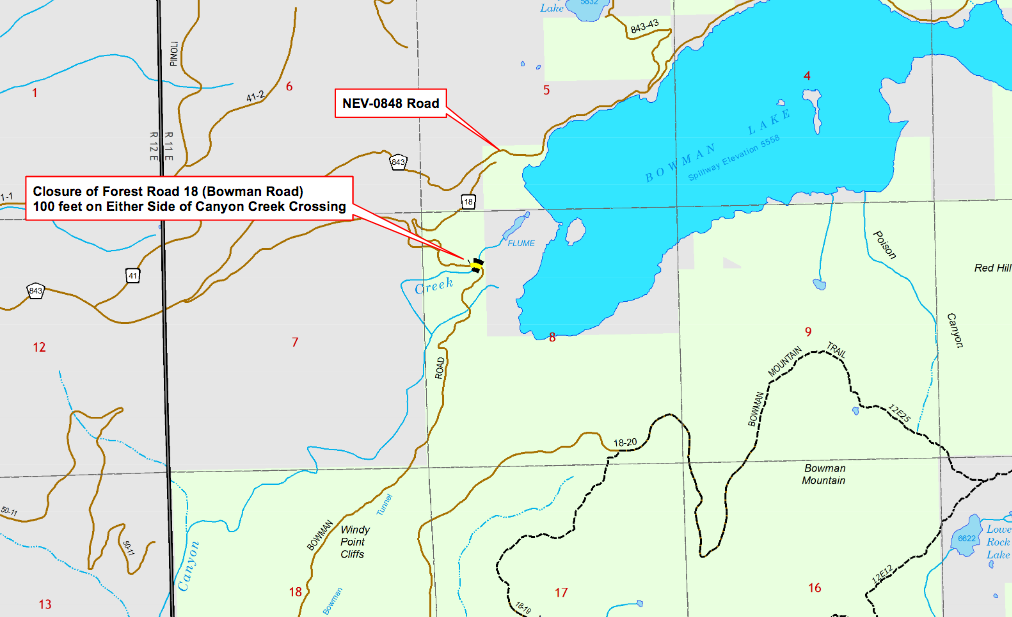
 - Bowman Road is now closed within 100 feet of Canyon Creek.
 - Cal-Ida Road (Forest Road 25) is closed from the intersection with Sierra County Road 490 north to the intersection with Forest Road 55.
- Forest Road 72 is closed from the intersection with Forest Trail 17E13 south to the intersection with Forest Road 72-24.

Further details and maps of the closures are available at http://bit.ly/2uSYynJ.

The Forest has seen extensive damage to roads and other infrastructure from this year’s winter storms. Unsafe conditions and damaged roads have resulted in the need to close some roads to public use. Closed roads will reopen once they are repaired and deemed safe for travel.

Those with a valid permit from the U.S. Forest Service are authorized to use these roads, as are any Federal, State or local officers or members of an organized rescue or firefighting force in the performance of official duty.

For more Tahoe National Forest information, go to www.fs.usda.gov/tahoe.
Follow us on Twitter at twitter.com/Tahoe_NF and
“Like” us on Facebook at www.facebook.com/TahoeNF.

Release Date: Jul 12, 2017  
Contact(s): Michael Woodbridge

Update: Sterling Pointe Equestrian Staging open Friday

7/13/2017

 
Picture
The gravel work has been finished a day early (Thank you, Hans Peters!). Sterling Pointe Equestrian Staging has been re-opened as of 4:30 PM today, Thursday, 7/13/2017.

----------------------------------------------------
Previous Post 7/13/2017 8:40 am
The dirt portion (horse trailer parking area) of Sterling Pointe Equestrian Staging Area will be closed to vehicles on Thursday, July 13 and Friday, July 14, for gravel work. Equestrians may park in the paved upper parking area and the docents really appreciate everyone picking up manure and taking it home with you.
Photo Credit: Cool Horse Trails

UPDATE: Lifetime Senior $10 National Park and Federal Lands Pass extended to August 28 - then $80

7/12/2017

 
Picture
On August 28, 2017, the price of the America the Beautiful – The National Parks and Federal Recreational Lands Senior Pass will increase for the first time since 1994. The additional revenue will be used to enhance the visitor experience in parks. Learn more about the changes, what they mean for you, and how the additional funds will be used.

Why is the price of the Senior Pass increasing?
The price of the America the Beautiful – The National Parks and Federal Recreational Lands Senior Pass is increasing as result of the Centennial Legislation P.L. 114-289 passed by the US Congress on December 16, 2016.
When was the last time the price increased for the Senior Pass?
The Senior Pass has been $10 since 1994.
How much is it increasing?
The lifetime Senior Pass will increase from $10 to $80.
Why $80?
The legislation states that the cost of the lifetime Senior Pass be equal to the cost of the annual America the Beautiful – The National Parks and Federal Recreational Lands Pass, which is currently $80.
What if a senior citizen is on a fixed budget?
The legislation also establishes an annual Senior Pass for $20. That pass is valid for one year from the date of issuance. Four annual Senior Passes purchased in prior years can be traded in for a lifetime pass. Additionally, access to the majority of National Park Service sites remains free—only 118 of 417 National Park Service sites have an entrance fee.
What if I have a current Senior Pass?
The current passes are lifetime passes and will remain valid.
Will the benefits of my Senior Pass change?
No. All benefits of the current Senior Pass stay the same.
What if my current Senior Pass is lost or stolen?
Passes are non-refundable and non-transferable and cannot be replaced if lost or stolen.
If lost or stolen, a new pass will need to be purchased.
Who is eligible for a Senior Pass?
US citizens or permanent residents 62 years or older are eligible for the Senior Pass.
What does the Senior Pass provide?
Annual and lifetime Senior Passes provide access to more than 2,000 recreation sites managed by six federal agencies:
  • National Park Service
  • US Fish & Wildlife Service
  • Bureau of Land Management
  • Bureau of Reclamation
  • US Forest Service
  • US Army Corps of Engineers
The passes cover entrance and standard amenity (day-use) recreation fees and provide discounts on some expanded amenity recreation fees.
Are there any other benefits from a Senior Pass?
Yes, traveling companions can also enter for free. The Senior Passes admit pass owner/s and passengers in a noncommercial vehicle at per-vehicle fee areas and pass owner plus three adults, not to exceed four adults, where per-person fees are charged. (Children under 16 are always admitted free.) Also, at many sites, the Senior Passes provide the pass owner (only) a discount on Expanded Amenity Fees (such as camping, swimming, boat launching, and guided tours).
How can I purchase a Senior Pass?
Senior Passes can be purchased at any federal recreation site, including national parks, that charges an entrance or standard amenity (day-use) fee. Proof of age and residency is required. See the complete list of sites where the pass is available (PDF).
Passes can also be purchased online or through the mail from USGS; an additional $10 processing fee will be added to the price. Visit the USGS store to buy the pass online or find instructions for purchasing by mail.
Will the money from the sales of Senior Passes sold in national parks benefit the National Park Service?
Yes, the funds from all Senior Passes purchased in a national park will go to a National Park Foundation Endowment and a National Park Centennial Challenge Fund, both authorized by the Centennial Legislation.
What is the National Park Foundation Endowment?
The first $10 million collected by the National Park Service in each fiscal year from Senior Pass sales will be deposited in the Second Century Endowment for the National Park Service managed by the National Park Foundation. The foundation is the congressionally authorized philanthropic partner, or official charity, of the National Park Service. Funds within the Second Century Endowment will be expended on projects and activities approved by the Secretary of Interior to further the mission and purpose of the National Park Service.
What is the National Park Centennial Challenge Fund?
All revenues collected from sales by the National Park Service of National Parks and Federal Recreational Lands Passes, including the Senior Pass, that are in excess of $10 million will be deposited in the National Park Centennial Challenge Fund. The funds will be used for projects and programs approved by the Secretary of the Interior to the mission of the National Park Service and to enhance the visitor experience in National Park System units. Projects and programs will require at least a one-to-one match by non-federal donations.
Where will the money go if I purchase a Senior Pass from another agency?
Eighty to one hundred percent of funds from Senior Passes sold by the other five agencies will be retained by the site where they are sold and spent on visitor-related projects and programs.

UPDATE: Lifetime Senior $10 National Park and Federal Lands Pass extended to August 28 - then $80

7/12/2017

 
Picture
On August 28, 2017, the price of the America the Beautiful – The National Parks and Federal Recreational Lands Senior Pass will increase for the first time since 1994. The additional revenue will be used to enhance the visitor experience in parks. Learn more about the changes, what they mean for you, and how the additional funds will be used.
Why is the price of the Senior Pass increasing?
The price of the America the Beautiful – The National Parks and Federal Recreational Lands Senior Pass is increasing as result of the Centennial Legislation P.L. 114-289 passed by the US Congress on December 16, 2016.
When was the last time the price increased for the Senior Pass?
The Senior Pass has been $10 since 1994.
How much is it increasing?
The lifetime Senior Pass will increase from $10 to $80.
Why $80?
The legislation states that the cost of the lifetime Senior Pass be equal to the cost of the annual America the Beautiful – The National Parks and Federal Recreational Lands Pass, which is currently $80.

What if a senior citizen is on a fixed budget?
The legislation also establishes an annual Senior Pass for $20. That pass is valid for one year from the date of issuance. Four annual Senior Passes purchased in prior years can be traded in for a lifetime pass. Additionally, access to the majority of National Park Service sites remains free—only 118 of 417 National Park Service sites have an entrance fee.

What if I have a current Senior Pass?
The current passes are lifetime passes and will remain valid.

Will the benefits of my Senior Pass change?
No. All benefits of the current Senior Pass stay the same.

What if my current Senior Pass is lost or stolen?
Passes are non-refundable and non-transferable and cannot be replaced if lost or stolen.
If lost or stolen, a new pass will need to be purchased.

Who is eligible for a Senior Pass?
US citizens or permanent residents 62 years or older are eligible for the Senior Pass.

What does the Senior Pass provide?
Annual and lifetime Senior Passes provide access to more than 2,000 recreation sites managed by six federal agencies:
  • National Park Service
  • US Fish & Wildlife Service
  • Bureau of Land Management
  • Bureau of Reclamation
  • US Forest Service
  • US Army Corps of Engineers
The passes cover entrance and standard amenity (day-use) recreation fees and provide discounts on some expanded amenity recreation fees.

Are there any other benefits from a Senior Pass?
Yes, traveling companions can also enter for free. The Senior Passes admit pass owner/s and passengers in a noncommercial vehicle at per-vehicle fee areas and pass owner plus three adults, not to exceed four adults, where per-person fees are charged. (Children under 16 are always admitted free.) Also, at many sites, the Senior Passes provide the pass owner (only) a discount on Expanded Amenity Fees (such as camping, swimming, boat launching, and guided tours).

How can I purchase a Senior Pass?
Senior Passes can be purchased at any federal recreation site, including national parks, that charges an entrance or standard amenity (day-use) fee. Proof of age and residency is required. See the complete list of sites where the pass is available (PDF).
Passes can also be purchased online or through the mail from USGS; an additional $10 processing fee will be added to the price. Visit the USGS store to buy the pass online or find instructions for purchasing by mail.

Will the money from the sales of Senior Passes sold in national parks benefit the National Park Service?
Yes, the funds from all Senior Passes purchased in a national park will go to a National Park Foundation Endowment and a National Park Centennial Challenge Fund, both authorized by the Centennial Legislation.

What is the National Park Foundation Endowment?
The first $10 million collected by the National Park Service in each fiscal year from Senior Pass sales will be deposited in the Second Century Endowment for the National Park Service managed by the National Park Foundation. The foundation is the congressionally authorized philanthropic partner, or official charity, of the National Park Service. Funds within the Second Century Endowment will be expended on projects and activities approved by the Secretary of Interior to further the mission and purpose of the National Park Service.

What is the National Park Centennial Challenge Fund?
All revenues collected from sales by the National Park Service of National Parks and Federal Recreational Lands Passes, including the Senior Pass, that are in excess of $10 million will be deposited in the National Park Centennial Challenge Fund. The funds will be used for projects and programs approved by the Secretary of the Interior to the mission of the National Park Service and to enhance the visitor experience in National Park System units. Projects and programs will require at least a one-to-one match by non-federal donations.

Where will the money go if I purchase a Senior Pass from another agency?
Eighty to one hundred percent of funds from Senior Passes sold by the other five agencies will be retained by the site where they are sold and spent on visitor-related projects and programs.

CLICK HERE to see this announcement on the National Parks website.


Wall Fire closes Lake Oroville SRA camps and trails

7/10/2017

 
Picture
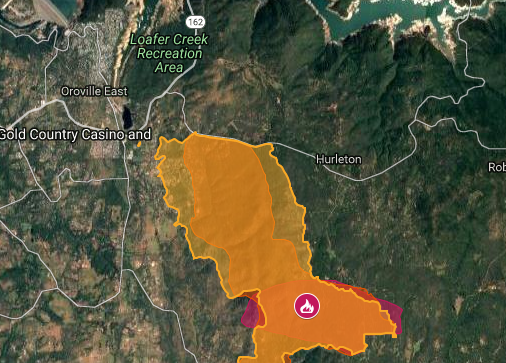
The Wall Fire is estimated at 6,061 acres as of this morning July 10, 2017. Roads going into Oroville SRA on the Loafer Creek side are closed and it wouldn't be a good idea to access any of that area, even the roads still open, until the fire is under control.
Firefighters are continuing to establish and maintain control lines and reduce the threat of property damage. Evacuation orders and warnings are still in effect.  Approximately 4,000 people have been evacuated.
To see up to the minute updates, evacuation areas and road closures, visit YubaNet HERE.

Folsom Lake at 464 feet, only 2 feet from full capacity

7/7/2017

 
Picture
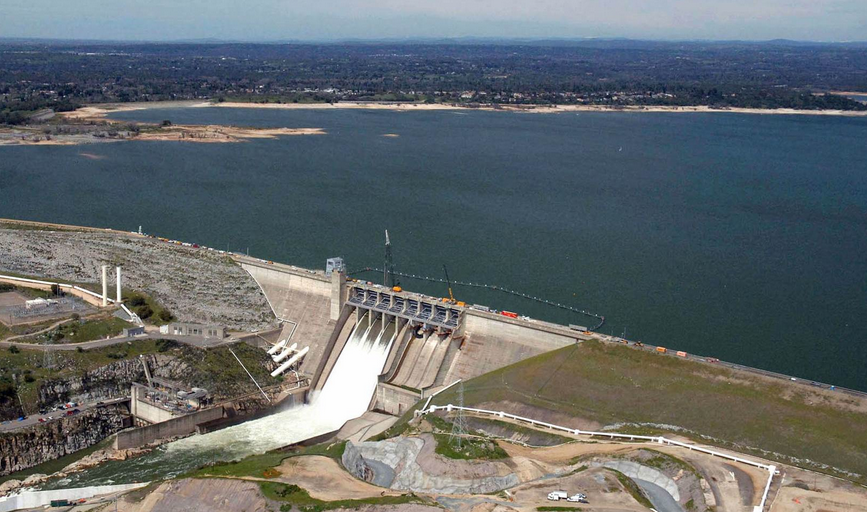
The lake level is currently 464 feet, only 2 feet away from being full capacity and will affect some trails and areas around the lake. Several areas of the historic 1854 North Fork Ditch Trail (popularly called the lower Beach Trail) are under water, and North Granite will remain closed on weekends and holidays.
-------------------------------------------------------------------------------------------------------------------------
From the June 8 Folsom Telegraph newspaper:

Folsom Lake nears max capacity
"After a record season of rainfall and an abundant snow pack thereafter, Folsom Lake is rapidly reaping the benefits. As of press time Tuesday, the lake that looked like a mere puddle just months ago, had reached its highest level of the year, nearing its capacity by single digits.

As of  press time on Tuesday, Folsom Lake’s capacity had reached 943,677 acre feet, according to the California Department of Water Resources. The most recent readings show the reservoir just three percent from capacity and 115 percent of the historical average for this period, which was previously recorded at 819,034 acre feet. The total capacity of Folsom Lake is 977,000 acre feet.

So far in June, the Folsom Dam has been operating continued releases with as many as five upper flood gates flowing at one time, day and night. Tuesday, inflow into Folsom was measured at 11,069 cubic feet per second. The current release was reportedly producing an outflow of 12,573 CFS, with 4,877 of that designated for power usage and 7,696 for river spillage. 
The current level of Folsom Lake has exceeded its previous high point that was reached in 1978, but has yet to reach the high point it reached in 1983, one of the wettest winters in recent history that was comparable to that of 2016-2017. At 97 percent of capacity, the lake is just three feet from reaching its peak elevation.

In the years that Folsom Lake has reached its capacity, the event has routinely occurred in early June. Currently sitting at 97 percent, it is expected that Folsom Lake will put 2017 in the history books this coming week. Reaching the capacity mark is something local officials are waiting for as it will assist with ongoing clean up efforts.

Once the lake reaches its much-anticipated capacity, the clean up efforts will become much more manageable. Debris that is currently filling the shallow waters of the lake will become parked on the shoreline when the waters undergo their first recession of the season.

Over the last three weeks, contractors have been working to remove the large amounts of debris from the waters of Folsom Lake by means of a virtual logging operation. Large tractors and loaders continue to work on the shorelines while tugboats continue to operate in the waters working to corral the logjams for collection. The clean up was originally estimated to be completed by Memorial Day weekend, but due to the abundance of debris it is continuing daily.

“There’s obviously a large quantity of it,” said Ryan Steele, peace officer supervisor of the California Department of Parks and Recreation. “Fortunately, there haven’t been any major boat accidents as a result of the driftwood.”

The largest clean up effort has been on the Granite Bay side of the lake. Workers have been using Five Percent cove as a work area to corral the debris. Workers are active in other areas as well, including Brown’s Ravine where nets are being used to contain the incoming debris and keep them away from boats in the marina.

As the waters rise to record levels at Folsom Lake, so does attendance to the area. Park officials have seen a rise in boaters, swimmers and onlookers over the recent week. Officials want to remind everyone to take proper safety measures when enjoying the high lake level. With the majority of the watershed being produced from snow melt, the waters are extremely cold while river currents are higher than normal with the required releases taking place."

To see complete article and pictures in the Folsom Telegraph newspaper, CLICK HERE.


Folsom Lake SRA - Rattlesnakes in abundance

7/2/2017

 
Picture
Folsom Lake Mounted Patrol members are reporting a higher than usual incidents of rattlesnakes on the trails. Two areas where large snakes were seen: Falcon Crest and Shadow Glen.  With the lake so high, the snakes are on the trails - many of them are as large as the one in this photo.
The Patrol also reminds the the hikers and the bikers especially to watch for snakes as many trails are more obscured than usual this year with the abundant and high grass. Rattlesnakes can strike 2/3rds their length, and they are wonderfully camouflaged in the same color grass.
Hikers should be wearing boots and long loose pants; mt. bikers slow down so you don't run over them (and get bit in the process), and equestrians should really listen to their horses who can hear and smell them way before their riders can.

SNAKE FACTS
Most people bitten by rattlesnakes have inadvertently stepped or ridden over them. They detect movement by sensing vibrations in the ground. Their eyes see well even in low light. Rattlesnake bites can be dangerous but are very rarely fatal to humans. With proper medical treatment, including antivenin, bites are usually not serious.

NOT ALL RATTLE

Young rattlesnakes do not yet have their rattles, though they are as dangerous as adults, according to the National Park Service at Yosemite. Furthermore, some adults may lose their rattles, so it is a good idea look out for the triangular head.
After the rattle, rattlesnakes’ most distinctive physical feature is their triangular head. Also, they have vertical pupils, like cat’s eyes. (In Folsom Lake, rattlesnakes that rattle get killed, those that don't...don't. Meaning that after several generations, we have many families of silent snakes.)

RATTLESNAKES ARE LOCAL
Generation after generation of rattlesnake will use the same dens, sometimes the same den for more than 100 years. Upon leaving their dens, they like to sun themselves on rocks and other open places. Though they are not nocturnal, in the hot summer months they may be more active at night.

Despite their venom, rattlesnakes are no match for California King snakes, which are fond of putting them on their dinner menus. DON'T KILL CALIFORNIA KING SNAKES! (picture below)


California Mountain King Snake
California King Snake
Picture
Picture

Some Tahoe National Forest campgrounds are still closed for the holiday

7/1/2017

 
Picture
These campground areas will not be open for Fourth of July holiday:
Bowman Lake
Grouse Ridge
Jackson Meadows
Meadow Lake
Lake of the Woods
If you’re planning to hit the road this holiday and camp overnight at a designated site in the Tahoe National Forest, make reservations in advance at www.recreation.gov, advise forest officials.
“Most campgrounds in the Tahoe National Forest are open for the busy Fourth of July weekend,” said Eli Ilano, forest supervisor for the Tahoe National Forest, in a statement.
A limited number of campsites are available on a first-come, first-served basis, according to a TNF news release. Storm-related road damage and lingering snow have limited access to some developed recreation sites. These campground areas will not be open for Fourth of July weekend: Bowman Lake; Grouse Ridge, Jackson Meadows, Meadow Lake and Lake of the Woods.

Campfire permits are required for campfires, portable gas stoves, charcoal stoves or wood fires outside a designated campground or picnic area. Campfire permits are available at Forest Service offices or at www.preventwildfireca.org.
Fireworks are not allowed anywhere on the Tahoe National Forest. With warmer weather melting the winter’s substantial snowpack, rivers are running higher and colder than recent years, resulting in dangerous conditions, the release said.
Winter storm damage has kept Bowman Road closed to motor vehicles at the low-water crossing for Canyon Creek. Buckeye Road is closed at Greenhorn Creek.
For more Tahoe National Forest information, go to www.fs.usda.gov/tahoe.
To see the original article and photos in the Sacramento Bee, CLICK HERE.
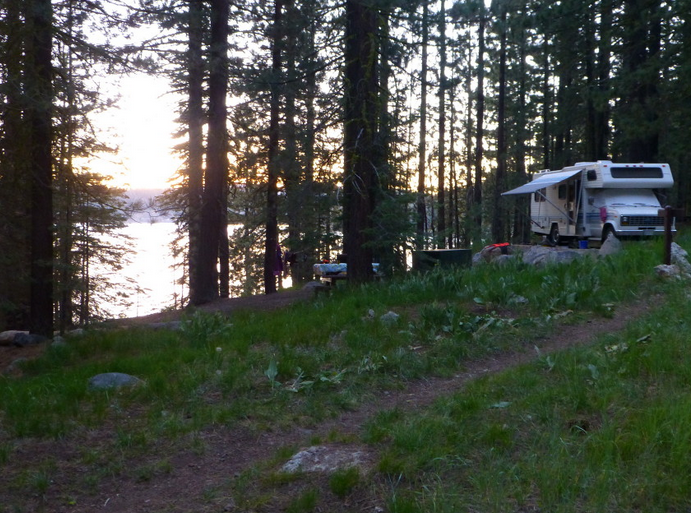
Photo of Jackson Meadow campsite, by PureSynchronicity

    Archives

    December 2025
    November 2025
    October 2025
    September 2025
    August 2025
    July 2025
    June 2025
    May 2025
    April 2025
    March 2025
    February 2025
    January 2025
    December 2024
    November 2024
    October 2024
    September 2024
    August 2024
    July 2024
    June 2024
    May 2024
    April 2024
    March 2024
    February 2024
    January 2024
    December 2023
    November 2023
    October 2023
    September 2023
    August 2023
    July 2023
    June 2023
    May 2023
    April 2023
    March 2023
    February 2023
    January 2023
    December 2022
    November 2022
    October 2022
    September 2022
    August 2022
    July 2022
    June 2022
    May 2022
    April 2022
    March 2022
    February 2022
    January 2022
    December 2021
    November 2021
    October 2021
    September 2021
    August 2021
    July 2021
    June 2021
    May 2021
    April 2021
    March 2021
    February 2021
    January 2021
    December 2020
    November 2020
    October 2020
    September 2020
    August 2020
    July 2020
    June 2020
    May 2020
    April 2020
    March 2020
    February 2020
    January 2020
    December 2019
    November 2019
    October 2019
    September 2019
    August 2019
    July 2019
    June 2019
    May 2019
    April 2019
    March 2019
    February 2019
    January 2019
    December 2018
    November 2018
    October 2018
    September 2018
    August 2018
    July 2018
    June 2018
    May 2018
    April 2018
    March 2018
    February 2018
    January 2018
    December 2017
    November 2017
    October 2017
    September 2017
    August 2017
    July 2017
    June 2017
    May 2017
    April 2017
    March 2017
    February 2017
    January 2017
    December 2016
    November 2016
    October 2016
    September 2016
    August 2016
    July 2016
    June 2016
    May 2016
    April 2016
    March 2016
    February 2016
    January 2016
    December 2015
    November 2015
    October 2015
    September 2015
    August 2015
    July 2015

    Categories

    All

    RSS Feed

Home
Contact
 Mother Lode Trails is YOUR local volunteer-run trail information and resource website. Here you can find
up-to-the minute information on trail alerts, links and trail news for Placer,  Yuba, and Nevada counties.
Mother Lode Trails is trademarked.